Boeing vs. Airbus: The Battle for the Skies
From the 737 MAX crisis to Airbus's engine shortages: a balanced look at the duopoly's planes, orders, deliveries and what it means for airlines.

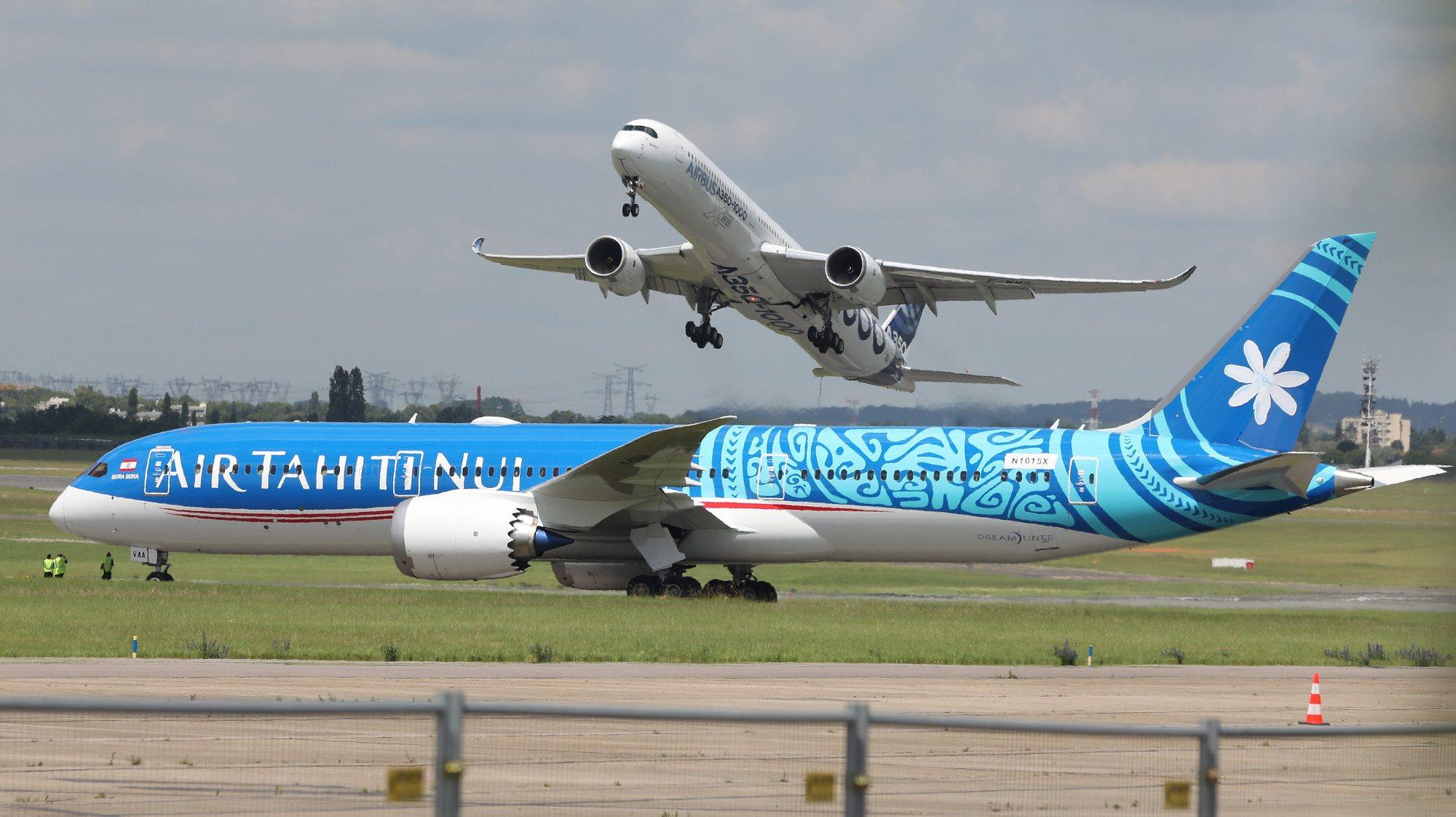
Photo: New York-air · CC BY-SA 4.0
On this page
Look up at almost any airliner and the odds are good it was built by one of two companies. In 2025 Airbus delivered 793 commercial aircraft and Boeing 600, and between them they hold firm orders for more than 15,000 more. Their rivalry decides what airlines can fly, what they pay and how fast they can grow. In late 2026 the contest looks unusual: Boeing is slowly rebuilding after years of safety and quality failures, while Airbus has more orders than its suppliers can support. This analysis sets out the history, the aircraft, the latest verified numbers and what the duopoly means for airlines, including India's.
How two companies came to build most of the world's jets#
Boeing defined the jet age with the 707 in 1958, then followed with the 737, which first flew in 1967, and the 747 jumbo in 1969. Airbus began in 1970 as a European consortium created to break American dominance. Its first aircraft, the A300 widebody twin, flew on 28 October 1972, fifty-four years ago today. The A320 of the late 1980s brought fly-by-wire controls to single-aisle airliners and became the backbone of Airbus's success.
When Boeing merged with McDonnell Douglas in 1997, the market for large jets was left with two players. The modern rivalry was set in the 2010s. Airbus launched the re-engined A320neo, and Boeing answered with the 737 MAX, fitting bigger, more efficient engines to its 1960s-era design instead of building a new plane. In 2018 Airbus also took control of Bombardier's CSeries, renaming it the A220.
The planes, family by family#
The two companies compete head to head in most segments, but not all.
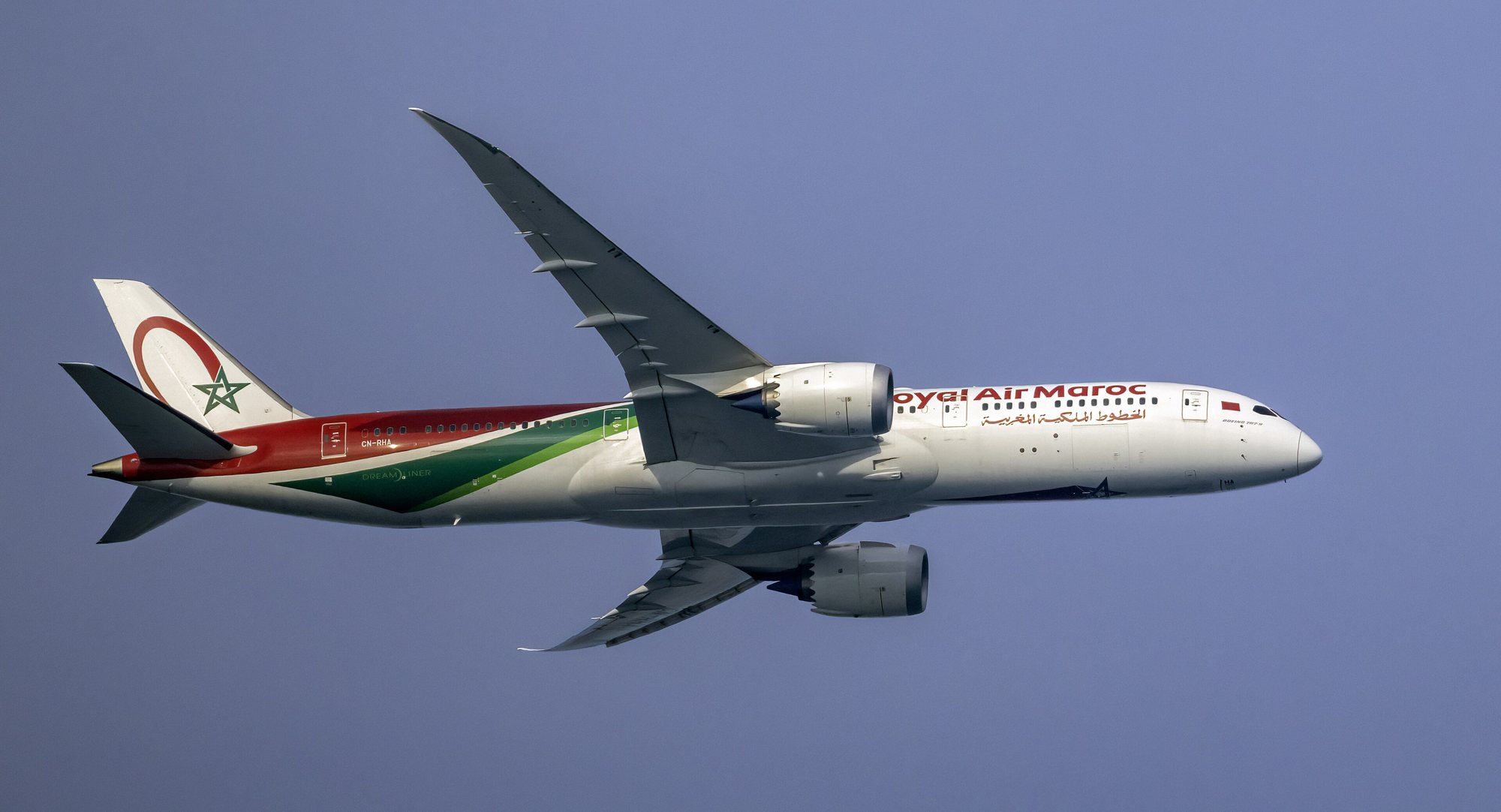
| Segment | Airbus | Boeing | Max seats (Airbus / Boeing) | Range in nautical miles (Airbus / Boeing) | Backlog, end Sept 2026 (Airbus / Boeing) |
|---|---|---|---|---|---|
| Small single-aisle | A220-100, A220-300 | No direct rival; 737-7 is the smallest MAX | 135–160 / 172 | 3,400–3,600 / 3,800 | 557 / not separated |
| Mainstream single-aisle | A320neo family, including A321neo and A321XLR | 737 MAX family (737-7, -8, -9, -10) | 160–244 / 172–230 | 3,400–4,700 / 3,100–3,800 | 7,529 / 4,900 |
| Twin-aisle | A330neo, A350-900, A350-1000 | 787-8, -9, -10; 777X (777-9, 777-8) | Not comparable* | A350: 8,500–9,000 / 787: 7,500–8,300; 777-9: 8,000 | A350 887, A330 331 / 787 1,178, 777 704 |
*Seat and range figures are from the manufacturers' product pages. Airbus quotes maximum seating for its widebodies and Boeing typical two-class seating, so those are not like for like. Backlogs are from Forecast International's September 2026 tally; Boeing's 777 figure includes the 777X and freighters.
In single-aisles, the A321neo gives Airbus a size and range edge: it carries up to 244 passengers, and the long-range A321XLR flies up to 4,700 nautical miles. Boeing's largest MAX, the 737-10, was only certified by the FAA in October 2026, according to Boeing. The A320neo also offers airlines a choice of two engine makers; the 737 MAX uses only the CFM LEAP-1B.
In twin-aisles the balance flips. Boeing's combined 787 and 777 backlog of 1,882 aircraft, freighters included, is well ahead of Airbus's 1,218 A350s and A330s. The 777X, the biggest twin-engine jet either company offers, is still in certification flight testing, with first delivery expected in 2027.
The scoreboard: orders, deliveries and backlogs#
| Measure | Airbus | Boeing |
|---|---|---|
| Deliveries, 2025 | 793 | 600 |
| Net orders, 2025 | 889 | 1,173 |
| Deliveries, Jan–Sept 2026 | 547 | 475 |
| Gross orders, Jan–Sept 2026 | 1,174 | 663 |
| Unfilled orders, end Sept 2026 | 9,304 | 6,856 (Boeing's own accounting backlog: "over 6,300") |
| 2026 outlook | Target of about 870 deliveries | Expects to miss its target of about 500 737 deliveries |
Sources: Airbus 2025 deliveries, Airbus FY2025 results, Boeing Q4 2025 and Q3 2026 results, Forecast International, and Reuters.
The numbers cut both ways. Airbus builds more aircraft and holds the bigger order book, driven by the A320neo family. Boeing's order intake shows that airlines still want its jets, especially widebodies. Boeing's lower accounting backlog strips out orders it judges less certain to be delivered.
Boeing's long road back#
Boeing's troubles began with two 737 MAX crashes, Lion Air in October 2018 and Ethiopian Airlines in March 2019, which killed 346 people. Investigators focused on MCAS, flight-control software added to the MAX, and the aircraft was grounded worldwide from March 2019 until US regulators cleared its return in November 2020.
Then, on 5 January 2024, a door plug blew out of a nearly new Alaska Airlines 737-9. Nobody died, but the National Transportation Safety Board found the plug had left the factory without bolts meant to secure it. It blamed Boeing's "failure to provide adequate training, guidance, and oversight" to factory workers, and cited ineffective FAA oversight as a contributing factor. The FAA capped 737 output at 38 a month.
Recovery has been steady but slow. The FAA allowed 42 a month in October 2025, and in May 2026 it backed a further step to 47, with FAA Administrator Bryan Bedford saying the agency was comfortable with the increase, AeroTime reported. Boeing completed its acquisition of fuselage supplier Spirit AeroSystems in December 2025, and the 737-7 and 737-10 both won certification in 2026.
The scars are still visible in the accounts: Boeing's third-quarter cash flow included about $0.7 billion of payments under its Justice Department settlement, and its shares fell about 9.5% in early trading after the results.
Airbus: plenty of orders, not enough engines#
Airbus's problem is the opposite of Boeing's. Demand is not in doubt: it ended 2025 with a record backlog of 8,754 aircraft. Its constraint is the supply chain. In its full-year results, Airbus cited "significant Pratt & Whitney engine shortages" and said the engine maker's failure to commit to the number of engines Airbus ordered was weighing on its guidance and ramp-up.
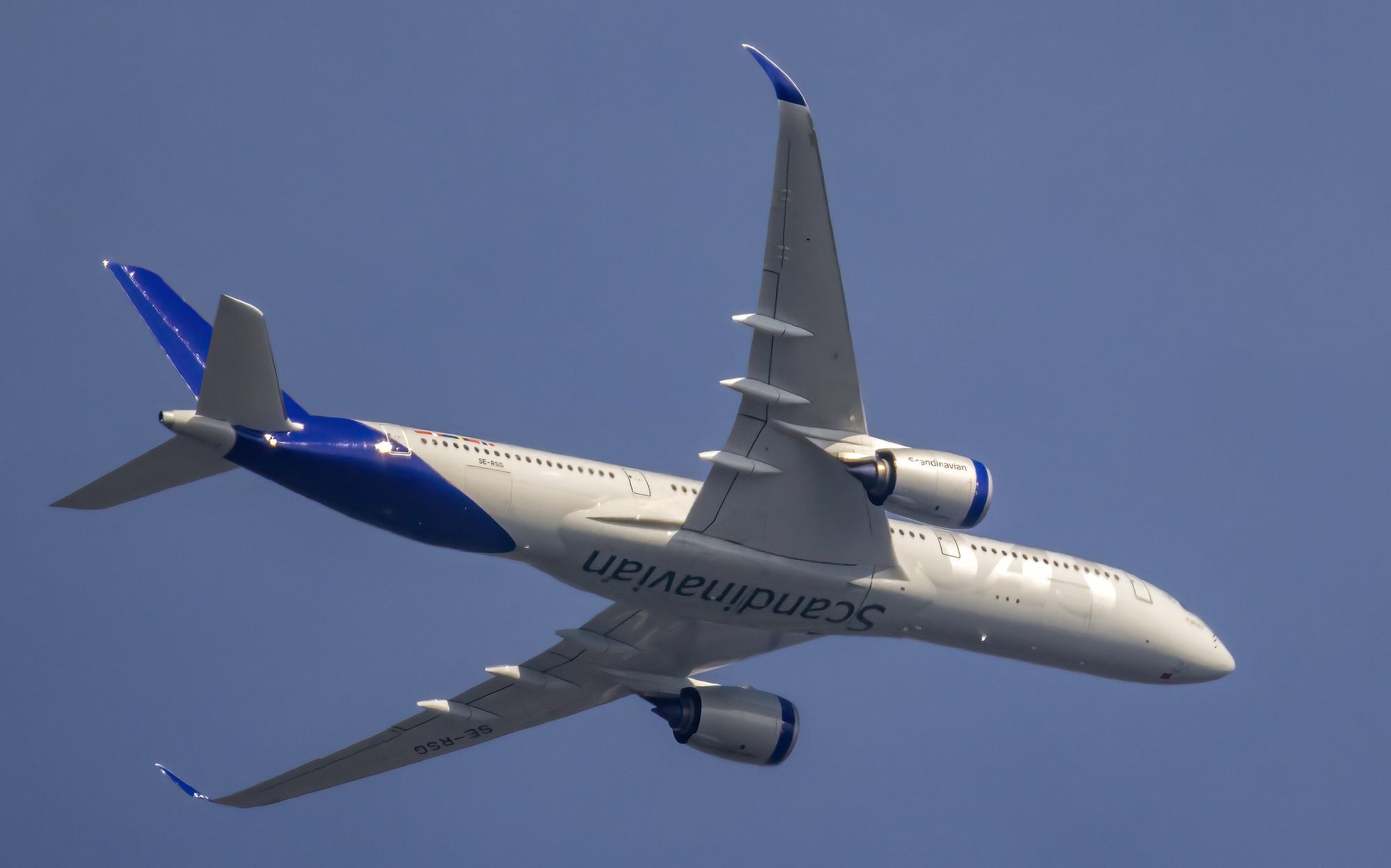
Its plans remain ambitious: an A320 family rate of 70 to 75 a month by the end of 2027, A220 rate 13 and A350 rate 12 in 2028, and A330 rate 5 in 2029. The A220 ramp-up is paced by the integration of work packages Airbus took over from Spirit AeroSystems.
Strategically, the two companies have also chosen different bets. Airbus has stretched its single-aisle family into territory once reserved for widebodies with the A321XLR, and covers the smaller end with the A220. Boeing's stated priorities, in Ortberg's words at its 2025 results, are stable operations, completing development programmes such as the 777X, and rebuilding trust.
Challengers and customers: COMAC, India and the airlines in between#
China's COMAC is the most credible new entrant in large jets, but it remains small. According to aviation consultancy IBA, only around 15 C919s were handed over in 2025 against an initial target of 75, and 34 had been delivered in total by the end of March 2026. COMAC claims more than 1,000 orders for its C909 and C919, almost all from Chinese customers, and targets production of 150 aircraft a year by 2028. The C919 depends on Western engines, the CFM LEAP-1C; China's own CJ-1000A is not expected to be certified before 2027 or 2028. IBA reports that Europe's aviation regulator, EASA, has pointed to validating the C919 somewhere between 2028 and 2031.
India is among the most important battlegrounds. IndiGo, the country's largest airline and a major Airbus customer, now has 60 A350s on order for its long-haul expansion. Air India buys from both: in January 2026 it ordered 30 more 737 MAX jets, taking its outstanding Boeing order book to nearly 200 aircraft. Boeing forecasts that India and South Asia will need nearly 3,300 new aircraft over the next 20 years, 90% of them single-aisle.
For airlines everywhere, the duopoly's struggles mean delivery slots booked years ahead, older aircraft kept flying longer and expensive leases to fill the gaps. Ordering from both manufacturers, as Air India does, spreads that risk but cannot remove it.
Who is winning?#
On output and backlog, Airbus is ahead, with the A320neo family its clearest advantage. On orders in 2025 and on widebodies, Boeing held its own, and its 737 output is climbing again under close FAA oversight. Neither company is running as planned: Boeing is still proving it can build safely at higher rates, and Airbus is waiting on engines.
The balanced verdict is that this is less a race between two companies than a test of two supply chains. COMAC is a long-term challenger rather than a near-term threat. For airlines, including India's fast-growing carriers, the winner in the next few years will be whichever manufacturer can turn its order book into reliable deliveries.